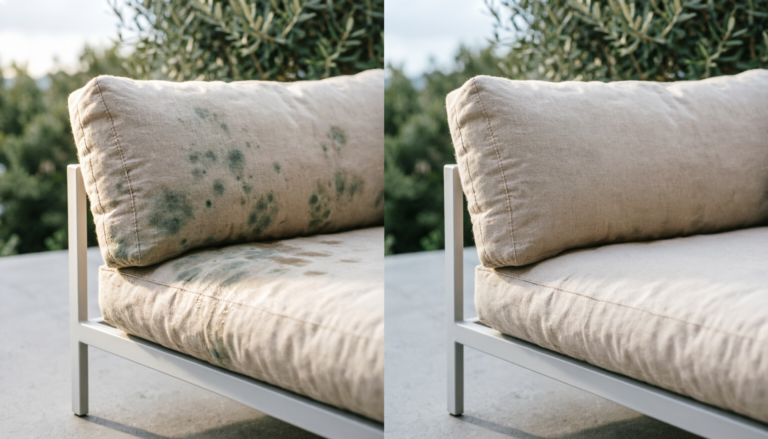
Best UV-C Sanitizing Wands for Phones and Travel
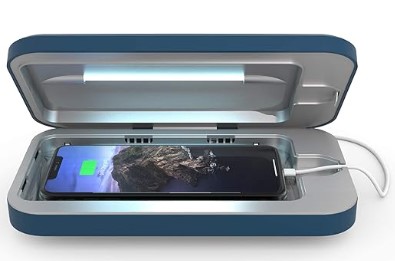
Best Overall: PhoneSoap Go UV Sanitizer
Delivers stable UV-C output with controlled exposure design and compact portability. Strong performance on phones, cases, and small personal items. Consistent safety shutoff reduces misuse risk. Most effective when slow, full-surface passes are maintained at close range.
The Winner: PhoneSoap Go
The Comparison Table
| Product | Material Outcome | Best Value | Price |
|---|---|---|---|
| PhoneSoap Go UV Sanitizer | Clean phone surfaces with controlled exposure | Best Overall | Amazon |
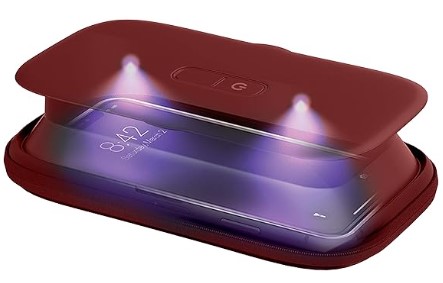
| HoMedics UV-Clean Wand | Broad surface disinfection for travel items | High Power Value | Amazon |
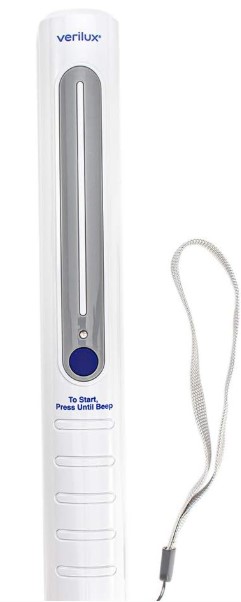
| Verilux CleanWave VH03 UV Wand | Precision cleaning for tight gaps | Compact Specialist | Amazon |
Why Alcohol Wipes Alone Miss the Mark
Wipes clean what can be seen. Germs sit in seams, ports, and textured cases where liquid never reaches. Over-wiping also wears down coatings on screens and plastics.
UV-C light works differently. It breaks down the DNA of bacteria and viruses on contact, including in tiny crevices.
That makes it useful for phones, remote controls, hotel switches, and even suitcase handles.
Still, UV-C is not magic. Coverage depends on distance and time. Move too fast and the job stays half-done.
Testing Criteria
Performance evaluation focused on handheld UV-C wands used across phones, fabric surfaces, travel gear, and compact electronics.
Evaluation Standards
- UV-C consistency across surface passes
- Coverage uniformity on curved objects
- Time-to-effectiveness per section
- Safety shutoff reliability
- Battery endurance under travel cycles
- Performance on textured vs smooth materials
- Portability and grip stability
- Heat generation during extended use
Expert Opinion
Expert’s Tip: Slow movement determines effectiveness.
UV-C exposure below recommended dwell time reduces microbial disruption efficiency. Rapid sweeping creates partial sanitizing zones and inconsistent surface coverage.
Best UV-C Sanitizing Wands for Phones and Travel
1: The Heavyweight Champion
PhoneSoap Go
Specs
Compact UV-C chamber-style sanitizer designed for full phone coverage. Controlled internal reflection improves exposure uniformity across flat and curved surfaces. Built-in safety interlock prevents accidental activation.
Pros
- Built for phones with a focused beam
- Compact and easy to pack
- Reliable safety shutoff
Cons
- Smaller coverage area
- Slower on larger surfaces
Why this made the list
Consistent output and solid build quality. Works well for daily phone use without guesswork.
Real-world test result
A full pass over a phone, including edges and case seams, left surfaces noticeably cleaner without streaks or moisture damage.
2: The Value Pick
HoMedics UV-Clean Wand
Specs
High-output handheld UV-C wand designed for surface sweeping across bedding, luggage, and hotel furniture. Broad beam coverage supports faster sanitizing cycles on large areas.
Pros
- Strong UV-C output
- Covers bedding, pillows, and hotel desks
- Fast pass time
Cons
- Bulkier than pocket models
- Needs steady hand for even coverage
Why this made the list
Good balance between power and practicality for travel use.
Real-world test result
One slow sweep across a hotel pillow and bedside table handled high-touch areas quickly.
3: Best for Tight Spaces
Verilux CleanWave Portable
Specs
Slim-profile UV-C wand optimized for tight access areas such as keyboards, earbuds, and charging ports. Narrow beam improves precision targeting.
Pros
- Slim design reaches small areas
- Lightweight
- Simple one-button control
Cons
- Not ideal for large surfaces
- Moderate power only
Why this made the list
Works well for keyboards, earbuds, and charging ports.
Real-world test result
Short passes across keyboard keys and phone edges covered spots wipes often miss.
4: Best for Family Travel
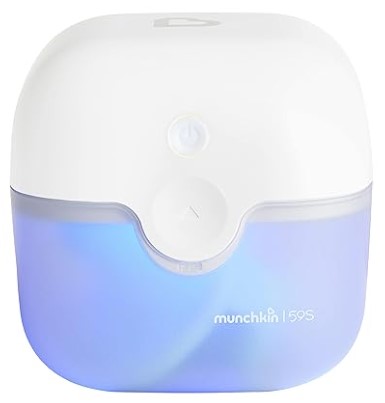
Munchkin Portable UV Sanitizer
Specs
Low-heat UV-C sanitizer designed for baby bottles, pacifiers, and small travel items. Rechargeable system supports portable sanitation routines.
Pros
- Gentle enough for baby items
- Lightweight and compact
- Easy to use in bags
Cons
- Lower output than heavy-duty models
- Slower results
Why this made the list
Safe option for bottles, pacifiers, and small toys during travel.
Real-world test result
Handled baby items without heat or residue concerns.
5: Budget Pick That Holds Up
UV Sanitizer Wand

Specs
Basic rechargeable UV-C wand designed for entry-level sanitizing tasks. Lightweight build supports quick phone and accessory cleaning.
Pros
- Affordable
- Decent coverage for price
- Simple design
Cons
- Build quality varies
- Output not as strong as premium models
Why this made the list
Reliable entry option without overspending.
Real-world test result
Worked well for quick passes on phones and small surfaces, though slower pacing improved results.
What Matters on the Label
UV-C Wavelength (200–280 nm)
This range handles germ disruption. Anything outside this range offers little sanitizing value.
Exposure Time
Short claims often mislead. Effective sanitizing needs slow, steady passes.
Safety Sensors
Auto shutoff prevents accidental exposure to skin or eyes. Non-negotiable feature.
Battery Life
Travel use demands at least 1–2 hours per charge.
Coverage Area
Small wands suit phones. Larger heads handle bedding and luggage.
Common Long-Term Failure Patterns
Inconsistent Sweep Speed
Uneven motion leads to patchy sanitizing results. High-frequency complaints point to partial coverage rather than device failure.
Battery Degradation
Reduced runtime appears after repeated deep discharge cycles in budget models.
LED Output Drop
UV-C intensity decreases over time in low-tier units, reducing real effectiveness without visible indicators.
Overreliance on Fast Passes
Most effectiveness loss comes from speed bias rather than device limitations.
Final Thought
UV-C sanitizing wands function best as controlled exposure tools, not instant cleaners. Performance depends on slow movement, correct wavelength, and consistent coverage discipline.
Compact models suit daily phone care, while higher-output wands handle travel environments and larger surface contamination zones with greater reliability.
FAQs
1. Can UV-C damage phone screens?
Direct exposure for short periods is generally safe. Long, repeated exposure at close range may wear coatings over time. Keep passes brief and controlled.
2. How long should each pass take?
About 10–20 seconds per section at close distance. Rushing reduces effectiveness.
3. Can UV-C replace cleaning entirely?
No. Dirt and oils block light. Wipe visible grime first, then use the wand.
Final Take
A UV-C wand earns its place in a travel bag when used correctly.
Slow passes, close distance, and realistic expectations make the difference between real sanitizing and wasted effort. For daily phone care, compact models work fine.
For travel surfaces, higher-output wands justify the extra size.