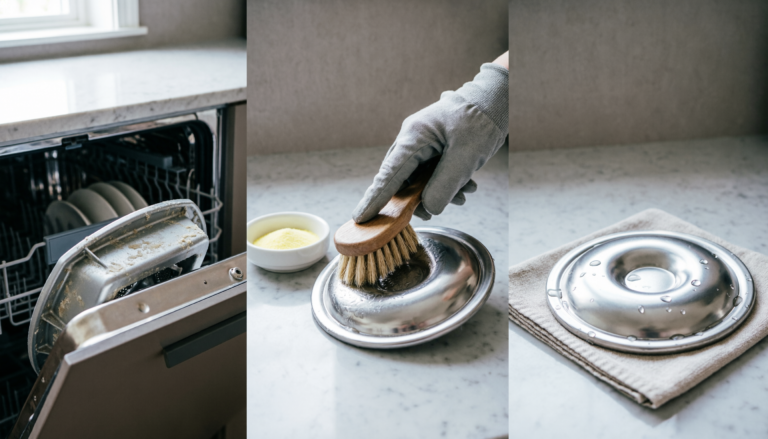
The “Overnight Oven Clean” That Doesn’t Use Toxic Fumes
Burned grease, baked-on spills, and carbon buildup respond well to a low-toxicity overnight oven cleaning method built around steam, baking soda, and controlled dwell time. Consistent surface coverage loosens residue without harsh fumes, heavy scrubbing, or abrasive commercial chemicals.
Material Preservation Brief
Low-alkaline baking soda paste protects enamel oven interiors while overnight dwell time softens carbon deposits. Controlled moisture exposure reduces surface scratching caused by aggressive scrubbing.Moderate thermal conditions prevent finish damage, gasket warping, and chemical residue buildup linked to high-fume commercial oven cleaners.
Comparison Table
| Storage Tier | Frequency of Use | Height Placement | Visual Accessibility |
|---|---|---|---|
| Baking Soda Container | Weekly | Eye-Level Shelf | Clear Labeling Prevents Overuse |
| Spray Bottle With Warm Water | Daily | Countertop Area | Immediate Access Speeds Application |
| Microfiber Cloths | Frequent | Upper Drawer | Folded Placement Improves Visibility |
| Silicone Scraper | Occasional | Utility Bin | Bright Handle Prevents Misplacement |
Warning: Ammonia-based cleaners combined with heat create hazardous fumes. Bleach mixtures also trigger dangerous chemical reactions inside enclosed oven cavities. Proper ventilation remains essential during all cleaning stages, including low-toxicity methods.
The “Overnight Oven Clean” That Doesn’t Use Toxic Fumes
Step 1: Daily Clean — The Foundation That Prevents Build-Up
For both wood and plastic:
- Scrape off food debris immediately
- Wash with hot water and dish soap
- Use a stiff brush to reach knife grooves
- Rinse thoroughly
- Dry right away with a clean towel
Where most people go wrong:
Air-drying alone leaves moisture sitting in grooves. That moisture feeds bacteria. Drying by hand is not optional.
Step 2: Deep Sanitize Plastic Boards (The Heavy-Duty Method)
Plastic handles stronger treatments, so go further when needed.
Method 1: Bleach Solution (Best for raw meat contact)
- Mix 1 tablespoon unscented bleach with 1 gallon water
- Soak for 2–5 minutes
- Rinse well
- Air-dry completely
Method 2: Dishwasher (If labeled safe)
- Use the hottest cycle
- High heat helps kill bacteria hiding in cuts
Reality check:
If the surface looks heavily scarred or feels rough, cleaning becomes unreliable. At that point, replacement is safer than repeated sanitizing.
Step 3: Deep Sanitize Wood Boards (Gentle but Effective)
Wood needs care that cleans without soaking or cracking.
Method 1: Vinegar Wipe (Routine sanitizing)
- Spray or wipe with white vinegar
- Let sit for a few minutes
- Rinse lightly and dry immediately
Method 2: Salt + Lemon Scrub (Odor and stain removal)
- Sprinkle coarse salt over the surface
- Rub with half a lemon
- Let sit 5 minutes
- Rinse and dry
Key limitation:
No soaking. Waterlogged wood warps, splits, and traps more bacteria over time.
The Hydrogen Peroxide Boost (For Both Types)
When odor or contamination feels stubborn:
- Pour 3% hydrogen peroxide over the surface
- Let it bubble for a few minutes
- Rinse and dry
This step helps reach bacteria missed by soap alone without harsh residue.
Step 4: The Oil Barrier (Wood Only, Often Skipped but Critical)
Dry wood cracks. Cracks hold bacteria.
Once a month:
- Apply food-grade mineral oil
- Let it soak overnight
- Wipe off excess
What this fixes:
It seals the surface slightly, slows moisture absorption, and keeps the board easier to clean.
Common Mistakes That Quietly Make Boards Unsafe
- Using the same board for raw meat and vegetables without sanitizing
- Leaving boards wet on the counter
- Skipping deep cleaning after cutting meat
- Keeping heavily gouged plastic boards too long
- Oiling wood boards too rarely
Each one increases bacterial survival, even if the board looks clean.
Expert’s Tip: Overnight Steam Boost for Burned Grease
Residual warmth improves grease separation before paste application. A heat-safe bowl filled with boiling water placed inside a warm oven for 15 minutes increases interior humidity and softens hardened carbon deposits before overnight treatment begins.
Best Low-Toxicity Ingredients for Oven Cleaning
Many homemade cleaning guides overload surfaces with acidic mixtures that create unnecessary reactions. Balanced formulas clean more consistently and protect oven materials more effectively.
Baking Soda
Baking soda remains the most reliable foundation for low-fume oven cleaning. Mild alkalinity cuts grease without damaging enamel interiors.
Fine texture also reduces abrasion risk.
Dish Soap
Degreasing dish soap breaks apart cooking oils and softens sticky residue. Small amounts improve cleaning strength without excessive foam production.
Heavy soap use creates streaking.
Warm Water
Warm water activates cleaning paste while preventing rapid drying. Steam exposure improves grease separation during overnight dwell periods.
Cold water slows residue breakdown.
White Vinegar
Vinegar works best during final wipe-down stages. Light acidic action dissolves leftover baking soda residue and improves shine.
Direct vinegar-and-baking-soda mixing weakens both cleaning actions through rapid neutralization.
Long-Term Oven Maintenance That Prevents Heavy Carbon Buildup
Frequent light maintenance reduces deep-cleaning labor dramatically. Small spills become difficult carbon deposits after repeated heating cycles.
Effective prevention habits include:
- Wiping fresh spills after cooling
- Using oven-safe drip trays
- Rotating baking sheets for even airflow
- Cleaning racks monthly
- Avoiding sugar overflow near heating zones
High-sugar spills carbonize rapidly and create smoke during reheating. Pie fillings and marinades frequently cause stubborn buildup near oven floors.
Monthly steam cleaning sessions also prevent thick grease accumulation. A bowl of hot water combined with lemon slices loosens fresh residue before major buildup forms.
Consistent maintenance protects:
- Interior enamel finish
- Heating efficiency
- Air quality
- Cooking consistency
Neglected ovens often produce uneven heat due to airflow obstruction caused by grease-coated vents and surfaces.
Quick Comparison: Wood vs. Plastic
Plastic
- Easier to sanitize aggressively
- Dishwasher-safe (most types)
- Wears out faster with knife marks
Wood
- Naturally limits some bacteria
- Gentler on knives
- Needs regular maintenance and careful drying
No single winner. The safer choice depends on how well each is maintained.
FAQs
1. What removes burned grease from ovens without toxic fumes?
Baking soda paste combined with overnight dwell time softens grease effectively without aerosol chemicals or ammonia-based fumes. Warm water and microfiber cloths improve residue removal while protecting enamel surfaces.
2. How often should overnight oven cleaning happen?
Light household cooking usually requires deep overnight cleaning every two to three months. Frequent roasting, sugary baking, or heavy grease exposure increases cleaning frequency.
3. Does baking soda damage oven enamel?
Properly diluted baking soda remains safe for most enamel oven interiors. Abrasive scrubbing tools create more damage than mild alkaline cleaning paste.
To Wrap It Up
Overnight oven cleaning methods outperform harsh chemical sprays through controlled dwell time, moisture balance, and gentle residue separation. Baking soda, steam, and microfiber cleaning preserve enamel surfaces while reducing airborne fumes.
Consistent low-toxicity maintenance prevents carbon buildup, improves cooking efficiency, and extends oven interior durability without aggressive scrubbing or hazardous cleaners.