
Best Circadian Rhythm Lighting Kits for Regulating Sleep Cycles
Artificial lighting directly affects melatonin suppression, cortisol timing, alertness, and sleep depth. Strong circadian lighting systems regulate brightness and color temperature automatically, aligning indoor environments with human biological timing instead of static illumination schedules.
PERFORMANCE VERDICT
Philips Hue Twilight leads the category because the automation feels biologically natural instead of mechanically programmed.Smooth sunrise simulation, stable scheduling, excellent low-brightness dimming, and high color accuracy create the strongest sleep-support environment for long-term circadian regulation and daily energy consistency across bedrooms, apartments, and fully integrated smart-home systems.
The Winner: Philips Hue Twilight
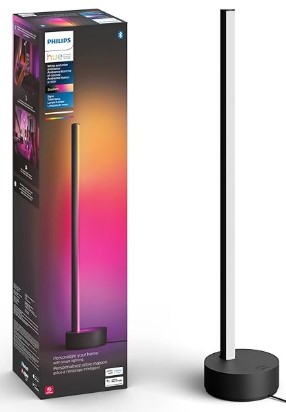
Philips Hue Twilight earns its reputation because the lighting feels natural instead of artificial. The sunrise automation is smooth, the warm nighttime tones are genuinely relaxing, and the app scheduling is among the best available.
Top Circadian Rhythm Lighting Kits
| Model | Kelvin Range | CRI | Connectivity | Price |
|---|---|---|---|---|
| Philips Hue Twilight | 2000K–6500K | 90+ | Zigbee, Bluetooth, Matter | Amazon |
| Nanoleaf Essentials Matter Smart Bulbs | 2700K–6500K | 90+ | Matter, Thread | Amazon |
| Wyze Bulb Color | 1800K–6500K | 90 | Wi-Fi | Amazon |
Why Circadian Lighting Matters
“White light” is not actually one single color. Every bulb produces a different blend of wavelengths measured in Kelvin.
Cool white light around 5000K to 6500K contains more blue spectrum energy, which encourages alertness and suppresses melatonin. Warm amber light around 2000K to 2700K signals the body that nighttime is approaching.
That matters because the brain treats light as biological instruction, not decoration.
Poor indoor lighting creates mixed signals:
- Bright cool bulbs at night delay sleep
- Weak daytime lighting can reduce focus
- Sudden harsh wake-ups increase sleep inertia
- Night-shift workers often struggle with completely reversed light cues
A strong circadian kit gradually changes throughout the day instead of blasting the same color temperature 24 hours straight.
How Testing Was Conducted
Testing focused on transition smoothness, Kelvin adaptability, scheduling reliability, low-brightness flicker control, CRI consistency, automation stability, and ecosystem longevity.
Evaluation also prioritized real-world bedroom usability, sunrise latency curves, nighttime eye comfort, and multi-room synchronization performance under daily circadian scheduling.
Expert Tip: Prioritize transition smoothness over maximum brightness. Abrupt color shifts increase visual stimulation and reduce sleep-support effectiveness. The strongest circadian systems gradually reduce blue-spectrum intensity over 30 to 60 minutes instead of forcing sudden nighttime dimming schedules.
Best Circadian Rhythm Lighting Kits for Regulating Sleep Cycles
1. Philips Hue Twilight (Best for Sleep Automation)
Philips Hue remains the strongest ecosystem for circadian scheduling because the software is polished, reliable, and deeply customizable.
The Philips Hue Twilight setup works especially well in bedrooms because transitions feel gradual instead of abrupt. The wake feature slowly increases brightness over 20 to 40 minutes, which reduces the groggy “alarm shock” many people experience with phones or smart speakers.
Strengths:
- Extremely stable automation
- Excellent dimming at low brightness
- Strong color accuracy
- Reliable sunrise and sunset routines
- Broad accessory support
Weaknesses:
- Expensive upfront
- Requires Hue Bridge for full functionality
For homes already using smart devices, Hue usually becomes the central lighting system instead of just a bedside upgrade.
2. Nanoleaf Essentials: Best Matter-Compatible System
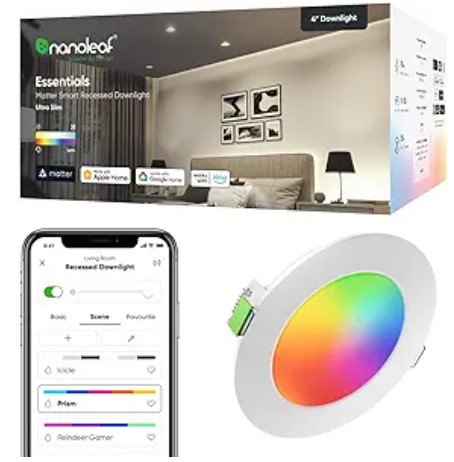
Nanoleaf Essentials earns attention because Matter support keeps the system flexible. That matters more than flashy marketing terms because smart-home standards change constantly.
A lighting kit tied to one ecosystem can become frustrating fast.
Nanoleaf handles circadian scheduling well while keeping pricing below premium competitors. The Thread connection also improves responsiveness compared to many older Wi-Fi-only bulbs.
Best uses:
- Apartments
- Apple Home setups
- Mixed smart-home ecosystems
- Users wanting future-proof compatibility
One downside: app reliability occasionally lags behind Philips Hue during firmware updates. The hardware is excellent, but software polish still trails the category leader.
3. Wyze Bulb Color: The Budget Bio-Hack
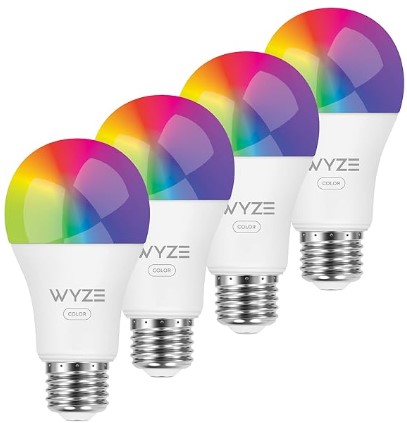
Wyze proves circadian lighting does not require a luxury budget.
The biggest advantage here is accessibility. A full-room setup costs dramatically less than premium competitors while still supporting warm nighttime tones and cool daytime settings.
That makes Wyze practical for:
- Dorm rooms
- Guest rooms
- Shift workers testing circadian lighting for the first time
- Families outfitting multiple bedrooms
The compromise is ecosystem depth. Scheduling works well enough, but advanced automation feels basic compared to Hue or Nanoleaf.
Still, for under $120, the value is difficult to ignore.
4. Govee Smart Lighting Kits: Strong Ambient Coverage
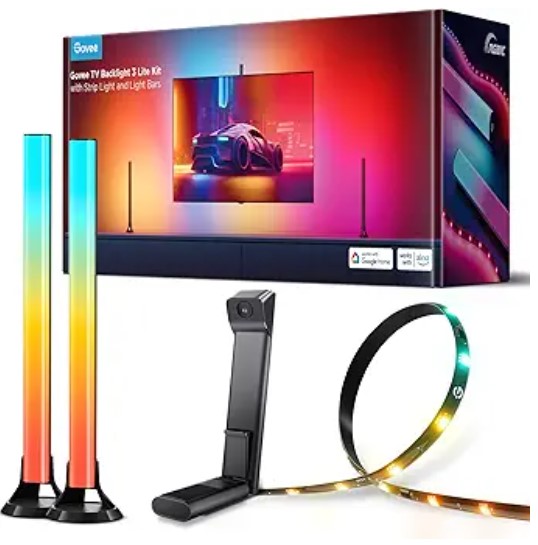
Govee rarely gets included in circadian lighting discussions, which is a mistake.
The brand performs especially well for larger bedrooms and living spaces because strip lighting creates broader indirect illumination. That softer bounce lighting feels more natural during evening hours than harsh ceiling fixtures.
Benefits include:
- Affordable room-scale coverage
- Strong app customization
- Easy installation
- Good integration with Alexa and Google Home
The downside is color consistency. Whites sometimes drift slightly compared to premium high-CRI systems.
For entertainment rooms doubling as nighttime relaxation spaces, though, Govee handles ambient rhythm lighting surprisingly well.
5. Sengled Smart Circadian Kits: Reliable Without Complexity
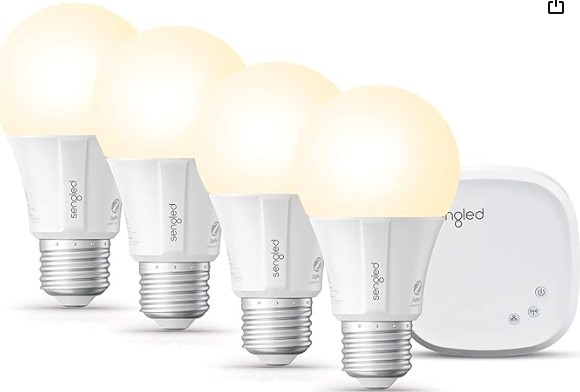
Some smart lighting systems become exhausting because every setting requires menus, scenes, and endless tweaking.
Sengled succeeds by staying simpler.
The circadian presets are straightforward:
- Cooler mornings
- Neutral afternoons
- Warm evenings
- Low amber nighttime lighting
That simplicity works well for older homeowners or households wanting automation without constant maintenance.
The app lacks advanced customization, but reliability remains solid for everyday sleep-support routines.
The Blue Light Spectrum and Sleep Timing
Blue-spectrum light suppresses melatonin because the brain interprets it as daylight.
That suppression is useful during working hours. Alertness, reaction time, and focus generally improve under cooler lighting conditions.
Problems start when the same lighting continues late into the evening.
Many homes use:
- 5000K kitchen bulbs at 10 PM
- Bright overhead LEDs before bed
- Phones and tablets at full brightness
- Cool office lighting during overnight shifts
Circadian kits solve this by automatically reducing blue output at scheduled times.
The difference is subtle at first. After several weeks, many households notice:
- Faster sleep onset
- Easier morning wake-ups
- Less nighttime restlessness
- Reduced eye strain in the evening
The “Gradual Wake” Feature Actually Matters
A fake sunrise sounds gimmicky until tested consistently.
Abrupt alarms force immediate cortisol spikes. Gradual wake lighting increases brightness slowly, helping the body transition naturally into wakefulness.
The best systems start dim amber tones roughly 30 minutes before alarms and slowly shift toward cooler daylight tones.
Latency matters here.
Cheap systems often brighten too quickly, which defeats the purpose. Philips Hue still leads because the transition curve feels smoother and more natural.
That softer wake cycle is especially valuable during winter when natural sunrise arrives late.
The Night-Shift Worker’s Setup
Night-shift schedules create biological confusion because the body receives mixed daylight signals.
A practical setup often looks like this:
- Bright 6000K lighting after waking at 7 PM
- Strong cool lighting during “workday” hours
- Gradual dimming after midnight
- Deep amber lighting before daytime sleep
- Blackout curtains paired with low-Kelvin bulbs
This approach tricks the brain into treating afternoon hours like evening sunset.
Without controlled lighting, many night-shift workers stay trapped in a cycle of fragmented sleep and chronic fatigue.
Verdict: Software Matters More Than the Bulb
Most modern smart bulbs already produce decent light quality.
The real difference comes from scheduling software, automation reliability, and transition smoothness.
A cheap bulb with excellent scheduling usually outperforms a premium bulb with frustrating automation.
For most households:
- Philips Hue offers the best overall experience
- Nanoleaf gives the strongest future compatibility
- Wyze delivers the best budget value
- Govee works well for ambient room lighting
- Sengled keeps things simple and dependable
Consistency matters more than perfection. Even modest circadian adjustments can improve sleep timing when used daily.
FAQs
1. Do circadian lighting kits actually improve sleep?
They can help support healthier sleep timing by reducing blue-heavy light exposure at night and encouraging more natural wake cycles. Results vary, but consistent routines usually matter more than expensive hardware.
2. What Kelvin range works best before bed?
Warm lighting between 1800K and 2700K generally works best at night because it reduces blue-spectrum stimulation linked to melatonin suppression.
3. Are expensive smart bulbs worth the extra cost?
Usually for software reliability, not raw brightness. Premium systems tend to offer smoother automation, better app stability, and more accurate dimming behavior over time.
Final Take
Smart circadian lighting is less about fancy colors and more about biological timing. Good systems quietly support energy during the day and calmer sleep at night without constant adjustment.
The strongest setups rely on dependable automation, warm evening lighting, and schedules that match real household routines instead of forcing rigid perfection.


