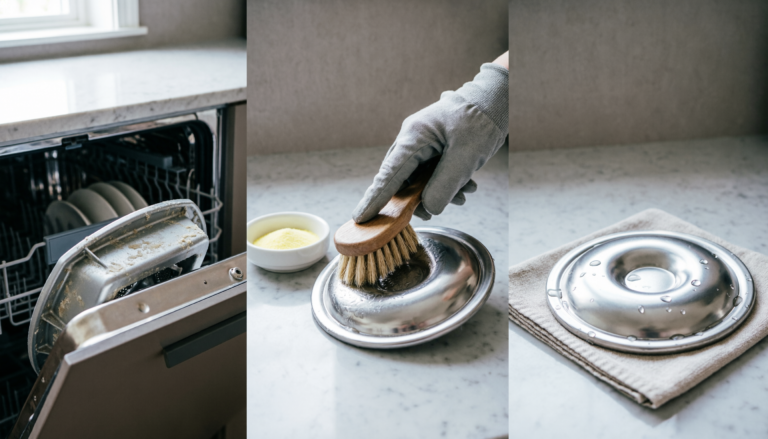
How to Clean Your Cleaning Tools: Sanitizing Mops and Brushes
Dirty cleaning tools spread bacteria, trap odors, and reduce cleaning performance.
Proper sanitizing removes residue, prevents cross-contamination, extends tool lifespan, and keeps floors, sinks, grout lines, and hard surfaces hygienically clean without spreading hidden buildup from one room into another.
Microbial Sanitization Protocol
Sanitized mops and brushes reduce bacterial spread, prevent sour odors, and improve cleaning efficiency. Hot-water rinsing, proper disinfectant dwell times, and complete air drying eliminate residue buildup and moisture-related contamination.Weekly sanitizing maintains fiber integrity, prevents mold growth, and protects high-contact household surfaces from recurring microbial transfer.
Comparison Table
| Storage Tier | Frequency of Use | Height Placement | Visual Accessibility |
|---|---|---|---|
| Open drying rack | Daily | Waist level | High |
| Utility hook system | Weekly | Eye level | Moderate |
| Closed cabinet bin | Occasional | Floor level | Low |
⚠️ Warning: Damp mop heads stored inside enclosed buckets create bacterial growth within hours. Poor airflow accelerates mildew formation, sour odors, and fiber deterioration. Closed storage also increases cross-contamination risk between bathroom, kitchen, and entryway cleaning zones.
How to Deep-Clean a Mop Head
A mop head absorbs everything: grease, dust, and bacteria. Regular rinsing is not enough.
Boiling Method (Best for cotton string mops)
- Bring a large pot of water to a steady boil
- Submerge mop head for 5–10 minutes
- Add a small amount of laundry detergent for better breakdown
- Remove carefully and air-dry fully in sunlight if possible
Where this works well: heavy-duty grime, strong odors
Where it fails: synthetic fibers can warp under high heat
Machine Method (Safer for most modern mop heads)
- Place mop head in washing machine
- Use hot water cycle with heavy-duty detergent
- Add a laundry sanitizer for deeper cleaning
- Air-dry completely, never store damp
Key mistake: tossing a heavily soiled mop straight into the machine without pre-rinsing. That spreads dirt into the washer itself.
Sanitizing Brushes and Sponges (The Microwave Myth)
Sponges and brushes sit in the highest-risk zone: warm, wet, and full of food residue.
The Microwave Method: Not as reliable as believed
- Uneven heating leaves cold spots where bacteria survive
- Risk of burning or melting, especially with synthetic materials
- No real cleaning, only partial heating
What actually works
Dishwasher (top rack):
- High heat and consistent water pressure
- Effective for silicone brushes and sturdy scrub tools
Soaking solution:
- Mix hot water with a small amount of bleach or disinfectant
- Soak for 5–10 minutes
- Rinse and dry thoroughly
Better tool choice
Silicone dish brushes hold less residue and dry faster than traditional sponges. Less moisture means less bacterial growth between uses.
Emptying the Vacuum: Why a Full Bag Kills Your HEPA Filter
A vacuum packed with debris loses suction and forces dust through the system.
What goes wrong
- Airflow drops, reducing cleaning efficiency
- Dust bypasses the bag and clogs the HEPA filter
- Motor strain increases, shortening machine lifespan
Simple rule
- Empty bag or canister when two-thirds full
- Check filters monthly
- Replace filters based on manufacturer schedule or when odor appears
Ignoring this step turns a vacuum into a dust recycler instead of a dust remover.
Maintenance Calendar: How Often to Replace vs. Clean
Consistency matters more than intensity. A simple routine prevents buildup.
Weekly
- Rinse and dry mop heads after each use
- Sanitize sponges and brushes
Monthly
- Machine-wash mop heads
- Deep-clean brushes
- Check vacuum filters and airflow
Every 3–6 Months
- Replace sponges
- Inspect brush bristles for wear
- Replace or deep-clean vacuum filters
Every 6–12 Months
- Replace mop heads if odor or wear persists
- Replace vacuum bags and filters as needed
Expert’s Tip: Sanitizing Mops and Brushes
Airflow matters more than fragrance additives. Dry fibers resist bacterial growth naturally. Hanging storage systems outperform enclosed utility buckets because evaporation removes moisture before odor-producing bacteria multiply inside fabric layers and bristle clusters.
How Often Sanitizing Should Happen
Cleaning frequency depends on room type, moisture exposure, and debris levels. Kitchen and bathroom tools require more frequent sanitizing because grease, soap residue, and organic particles accelerate bacterial growth.
Recommended Cleaning Schedule
| Tool Type | Light Use | Heavy Use |
|---|---|---|
| Microfiber mop | Weekly | Every 2–3 uses |
| Bathroom scrub brush | Weekly | After each use |
| Kitchen floor mop | Twice weekly | Daily rinse + weekly sanitize |
| Grout brush | Monthly | Weekly |
| Dusting tools | Monthly | Biweekly |
Daily rinsing removes loose debris, but sanitizing targets invisible microbial buildup that creates persistent odors and reduced cleaning performance.
Pet households require more frequent maintenance because hair, oils, and dander cling aggressively to mop fibers and brush bases.
Storage Habits That Prevent Odor and Mold
Improper storage ruins sanitized tools quickly. Moisture trapped inside dense fibers creates bacterial growth within dark storage spaces. Proper airflow remains the single most important factor in odor prevention.
Vertical hanging systems allow complete drainage and faster evaporation. Folded mop heads dry unevenly and trap moisture near stitching seams. Closed utility closets without ventilation create humid conditions that encourage mold development.
Strong storage setups include:
- Wall-mounted drying hooks
- Slotted airflow shelves
- Elevated drip trays
- Mesh laundry bags for microfiber
- Separate bathroom and kitchen storage zones
Color-coded tools reduce accidental contamination between hygiene zones. Bathroom brushes should never contact kitchen utility areas.
Direct sunlight helps eliminate lingering moisture and naturally reduces bacterial activity. Short outdoor drying periods improve freshness without requiring heavy chemical fragrance products.
Plastic storage bins only work when fully dry tools enter storage. Damp materials sealed inside containers create concentrated odor buildup rapidly.
Natural Sanitizing Solutions That Actually Work
Natural cleaning solutions work effectively when proper dwell times and concentrations remain consistent. Weak mixtures fail because sanitizing requires direct microbial contact for several minutes.
Vinegar Solution
White vinegar breaks down mineral buildup and neutralizes mild odors. Vinegar works best for maintenance cleaning rather than heavy sanitization.
Best use cases:
- Hard-water residue removal
- Mild odor reduction
- Soap scum breakdown
- Brush soaking
Avoid vinegar on natural stone cleaning attachments because acidic residue damages delicate finishes.
Hydrogen Peroxide
Hydrogen peroxide provides stronger sanitizing performance and helps remove discoloration from mop fibers. Bubbling action lifts trapped organic residue effectively.
Suitable for:
- Bathroom brushes
- Mop head sanitizing
- Mildew odor reduction
- White cleaning cloths
Dark storage reduces peroxide breakdown and preserves effectiveness longer.
Baking Soda
Baking soda absorbs odor and loosens greasy buildup inside heavily used mop fibers. Combined with warm water, baking soda helps restore freshness without harsh chemical residue.
Baking soda performs poorly as a standalone disinfectant. Pairing with peroxide improves overall sanitizing results significantly.
Common Cleaning Tool Mistakes That Spread Dirt
Several common habits reduce cleaning effectiveness and increase contamination spread throughout household surfaces.
Storing Wet Mop Heads
Wet fibers trap bacteria rapidly. Hanging storage prevents standing moisture and odor buildup.
Using Excess Detergent
Heavy soap residue stiffens microfiber strands and attracts more dirt during future cleaning sessions.
Mixing Kitchen and Bathroom Tools
Shared tools transfer bacteria between hygiene zones. Separate storage systems prevent contamination spread.
Ignoring Brush Bases
Most grime collects near handle connections and lower bristle clusters. Surface rinsing misses hidden buildup completely.
Delaying Post-Cleaning Rinses
Dried residue hardens inside fibers and bristles, making sanitizing more difficult later.
Final Thought
Cleaning tools carry the workload of the entire home. Neglect turns them into the very problem meant to be solved.
Regular care keeps surfaces truly clean, reduces effort, and prevents hidden buildup that slowly spreads across every room.