Doorbell Cameras vs Dedicated Video Intercoms
Doorbell cameras suit households prioritizing affordable, smartphone-based visitor monitoring, while dedicated video intercoms suit homes needing structured entry communication, indoor answering stations, and integrated access control.
Doorbell Cameras vs Dedicated Video Intercoms
| Product | Doorbell Camera | Dedicated Video Intercom |
|---|---|---|
| Primary strength | Convenient remote visitor monitoring | Structured two-way entry communication |
| Performance | Strong for everyday visitor identification | Strong for coordinated household access |
| Maintenance | App, firmware, lens, battery, or wiring upkeep | Monitor, wiring, power supply, and firmware upkeep |
| Durability | Depends on weather protection, construction, and installation | Depends on equipment quality, wiring, and environmental protection |
| Price | Amazon | Amazon |
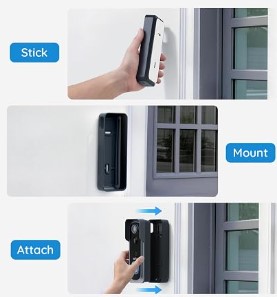
Doorbell Camera: BOIFUN Video Doorbell Camera Wireless
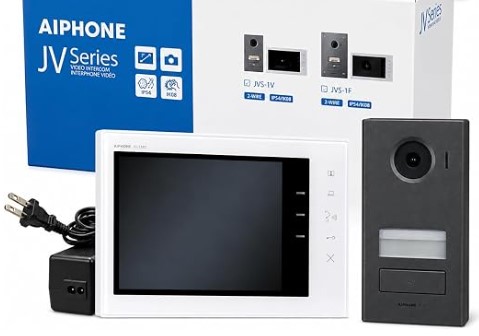
Dedicated Video Intercom: Aiphone JVS-1V JV Series
The Fundamental Difference
The fundamental difference lies in system architecture.
A doorbell camera is primarily a connected visitor-monitoring device. A camera, microphone, speaker, and call button typically connect to a smartphone application or compatible indoor chime.
Visitor communication often travels through the manufacturer’s cloud service or a supported local network. The homeowner can usually answer calls remotely, subject to connectivity and service limitations.
A dedicated video intercom is an entry communication system. A door station communicates with an indoor monitor, another intercom station, a mobile application, or an access-control system, depending on the design.
Many systems support door release through an electric strike, electromagnetic lock, or compatible gate controller.
The distinction is not simply wireless versus wired. Some doorbell cameras use existing wiring, while some video intercoms operate over Wi-Fi or other network connections.
The important difference is whether the system primarily monitors visitors through a connected doorbell or coordinates communication and entry through a dedicated intercom architecture.
Testing Conditions
A fair comparison requires both systems to operate at the same entrance, under comparable lighting, weather exposure, network conditions, and visitor traffic. Testing should cover a consistent seven-day period, including daytime arrivals, nighttime visits, package deliveries, and unanswered calls.
Each system should use its normal recommended configuration, with comparable notification settings and recording policies. Measure visitor identification accuracy, alert delay, two-way audio clarity, connection failures, and time required to answer calls.
Record installation labor, maintenance interventions, and power consumption where measurable. No controlled laboratory test was conducted for this article; the comparison therefore reflects typical design characteristics rather than independently verified product-specific results.
Performance Test
Performance
Doorbell camera: Performs well for identifying visitors, receiving alerts, and answering calls away from home. Performance depends on application responsiveness and network quality.
Dedicated video intercom: Performs well when occupants need a consistent indoor answering point or coordinated communication across several entry stations.
Speed
Doorbell camera: Push notifications can arrive quickly, but cloud processing, internet congestion, and phone settings can delay alerts.
Dedicated video intercom: A local system may establish calls quickly between compatible stations. Network-based models can still experience latency.
Noise
Doorbell camera: Outdoor microphones and speakers can struggle with traffic, wind, and background conversation. Noise reduction varies by model.
Dedicated video intercom: Indoor monitors and purpose-built audio hardware can improve conversation convenience. Outdoor noise remains a challenge unless the equipment includes effective noise handling.
Reliability
Doorbell camera: Battery depletion, Wi-Fi interference, internet outages, and application issues can interrupt service.
Dedicated video intercom: Wired connections can reduce dependence on wireless coverage, but power failures, damaged cables, and network faults can still interrupt operation.
Maintenance
Doorbell camera: Requires lens cleaning, battery charging or replacement where applicable, firmware updates, and occasional app troubleshooting.
Dedicated video intercom: Requires terminal and cable checks where appropriate, monitor cleaning, software updates, and servicing of connected door-release equipment.
Installation
Doorbell camera: Usually suits straightforward retrofits, especially battery-powered models or devices compatible with existing doorbell wiring.
Dedicated video intercom: May require cable routing, indoor monitor mounting, power supplies, network configuration, and coordination with compatible locks or gates.
Where Doorbell Cameras Win
Doorbell cameras have the advantage when simplicity, remote access, and manageable installation costs matter most.
- Everyday visitor screening: A smartphone alert and live video feed can handle ordinary arrivals without requiring a dedicated indoor monitor.
- Rental properties: Battery-powered models can reduce installation work, subject to landlord approval and local rules.
- Frequent deliveries: Recorded footage and motion alerts can help document arrivals, although recording depends on model capabilities and subscription terms.
- Remote answering: Occupants can communicate with visitors while away, provided the camera, phone, and network remain operational.
- Limited installation budgets: Many models avoid the additional equipment and labor associated with a multi-station intercom system.
The strongest case for a doorbell camera is straightforward visitor monitoring without the cost or complexity of a broader entry communication system.
Where Dedicated Video Intercoms Win
Dedicated video intercoms offer greater advantages when entry communication forms part of the home’s everyday access routine.
- Multiple occupants: Indoor monitors allow household members to answer calls without relying entirely on personal smartphones.
- Gated properties: Compatible systems can coordinate visitor communication with gate-release hardware.
- Larger homes: Multiple indoor stations can provide convenient answering points across different floors or rooms.
- Frequent visitors: A dedicated answering station can make visitor handling more consistent for households with regular service personnel or deliveries.
- Integrated security: Compatible intercoms can connect with access-control equipment, selected smart-home platforms, or building entry systems.
These benefits depend on the actual system design. A basic intercom may lack remote access, multiple-station support, or door-release functionality. Buyers should verify each requirement before purchasing.
The Hidden Cost
| Ownership expense | Doorbell Camera | Dedicated Video Intercom |
|---|---|---|
| Accessories | Chime, mounting wedge, spare battery, or transformer where required | Indoor monitors, compatible power supplies, cables, and door-release hardware |
| Consumables | Rechargeable or replacement batteries for applicable models | Usually few routine consumables; batteries may exist in auxiliary devices |
| Installation | Often straightforward; wiring compatibility may require an electrician | Potentially more labor-intensive, especially for concealed cabling and multiple stations |
| Maintenance | Cleaning, charging, updates, and troubleshooting | Cleaning, updates, wiring checks, and servicing of connected access hardware |
| Replacement | Camera unit, battery, or compatible accessories | Door station, monitor, power supply, or failed system components |
| Energy | Camera, chime, and network equipment consume electricity or battery capacity | Door station, indoor monitors, and associated network equipment consume electricity |
| Time | App management, charging, and notification adjustments | System configuration, station management, and occasional technical servicing |
Which One Fits Your Home?
Choose a Doorbell Camera When:
- The main requirement is identifying visitors from a smartphone.
- Installation must remain simple and minimally invasive.
- The property has reliable Wi-Fi and suitable power arrangements.
- Remote answering and delivery monitoring matter more than indoor hardware.
- The household prefers a lower initial equipment commitment.
Choose a Dedicated Video Intercom When:
- An indoor monitor is important for daily convenience.
- Several occupants need reliable access to visitor calls.
- A gate or compatible electric lock requires integrated control.
- Multiple entry points or answering stations need coordination.
- The property benefits from structured entry communication rather than standalone visitor monitoring.
For homes with unstable internet, evaluate offline operation, local calling, backup power, and remote-access limitations carefully. Neither category automatically solves connectivity problems.
1-Year Ownership Comparison
| Cost | Doorbell Camera | Dedicated Video Intercom |
|---|---|---|
| Purchase | Camera, mounting hardware, and included accessories | Door station, monitor, and included accessories |
| Consumables | Battery replacements where required | Replacement batteries for applicable auxiliary devices |
| Maintenance | Cleaning, servicing, and troubleshooting | Cleaning, servicing, and troubleshooting |
| Accessories | Additional chime, transformer, or storage accessories | Extra monitors, cables, power supplies, or compatible lock hardware |
| Energy | Estimated annual electricity or battery charging cost | Estimated annual electricity for stations and related equipment |
| Estimated first-year total | Purchase + installation + subscriptions + accessories + maintenance + energy | Purchase + installation + subscriptions + accessories + maintenance + energy |
Calculation method: Add every first-year expense for the selected model, including installation and required subscriptions. Separate one-time equipment costs from recurring charges to avoid underestimating ownership costs. For a meaningful comparison, use the same property, currency, recording requirements, and access-control needs.
Final Verdict
For households prioritizing smartphone convenience, straightforward installation, and everyday visitor monitoring, a doorbell camera usually fits better.
For properties requiring indoor answering stations, coordinated entry communication, or compatible gate and lock control, a dedicated video intercom is often the stronger choice. Installation requirements and total ownership costs should settle the final decision.
FAQs
1. Is a video intercom more secure than a doorbell camera?
Not automatically. Security depends on encryption, account protection, software updates, recording controls, physical installation, and access permissions.
A compatible intercom with controlled door release may provide stronger entry management, but poorly configured equipment can weaken security.
2. Can a doorbell camera replace a dedicated video intercom?
A doorbell camera can replace basic visitor identification and two-way conversation in many homes. However, a camera may not replace multiple indoor monitors, coordinated gate access, or specialized entry-control functions. Check compatibility and required features before removing an existing intercom.
3. Which system is better for a home with an electric gate?
A dedicated video intercom often suits an electric gate better because compatible systems can combine visitor communication with gate-release controls. A doorbell camera can also work when paired with compatible access hardware, but compatibility, wiring, safety, and secure operation require verification.
To Wrap It Up
Doorbell cameras prioritize convenient remote visitor monitoring, while dedicated video intercoms prioritize structured entry communication and access control. Compare connectivity, installation, compatibility, service costs, and daily household routines before choosing the system that best serves the property.