Why Bathroom Hardware Needs Structural Thinking
Bathroom hardware needs structural thinking because moisture, substrate strength, fasteners, and repeated loading determine safety and durability. Correct installation distributes force into solid support and prevents premature failure.
The Short Answer
Bathroom hardware requires more than attractive finishes and suitable dimensions. Every towel bar, robe hook, grab bar, hinge, and toilet paper holder transfers force into a mounting surface.
Strong substrates, compatible fasteners, moisture resistance, and correct installation prevent loosening, corrosion, and damage. Structural planning matters most for safety-critical fixtures.
Why this Problem Happens
Bathroom hardware operates in a demanding environment. Frequent use, humidity, cleaning chemicals, and varied wall materials create conditions that expose weak installation decisions.
Cause 1: Weak mounting surfaces
Tiles provide a hard finish but do not automatically provide strong structural support. Plasterboard, hollow partitions, and deteriorated masonry may lack sufficient holding strength for particular fixtures. Repeated pulling can enlarge mounting holes and loosen anchors.
Expert insight: Evaluate the wall behind the finish, not merely the visible tile or paint.
Cause 2: Incorrect fasteners and anchors
A fastener must suit the substrate, fixture, expected loading, and installation conditions. Short screws, unsuitable plastic plugs, or poorly selected hollow-wall anchors can fail when mounting forces exceed their capacity.
Grab bars require especially careful planning. A grab bar mounted only to an unsupported decorative finish cannot provide dependable fall-prevention support.
Install according to manufacturer instructions and applicable building requirements, with suitable structural backing or an approved mounting system.
Cause 3: Moisture and corrosion
Steam, splashes, and persistent condensation can corrode unsuitable metals and weaken certain connections. Water entering screw holes may also damage timber backing or wall materials.
Stainless steel, brass, and coated metals offer different levels of corrosion resistance. Performance depends on the precise alloy, finish, water exposure, cleaning products, and installation quality.
Cause 4: Repeated loading and leverage
A towel bar experiences repeated downward and sideways force. A robe hook receives sudden pulling loads. A grab bar can experience substantial body-weight loading.
Long projections increase leverage at the mounting point. A fixture that appears firmly attached during installation may loosen after months of repeated use.
Cause 5: Poor installation and maintenance
Misaligned holes, over-tightened screws, cracked tile, damaged seals, and loose mounting plates can undermine otherwise suitable hardware. Harsh cleaners may also damage protective finishes, accelerating corrosion around joints and fasteners.
How to Diagnose the Problem
A systematic inspection helps distinguish a hardware defect from a structural mounting problem.
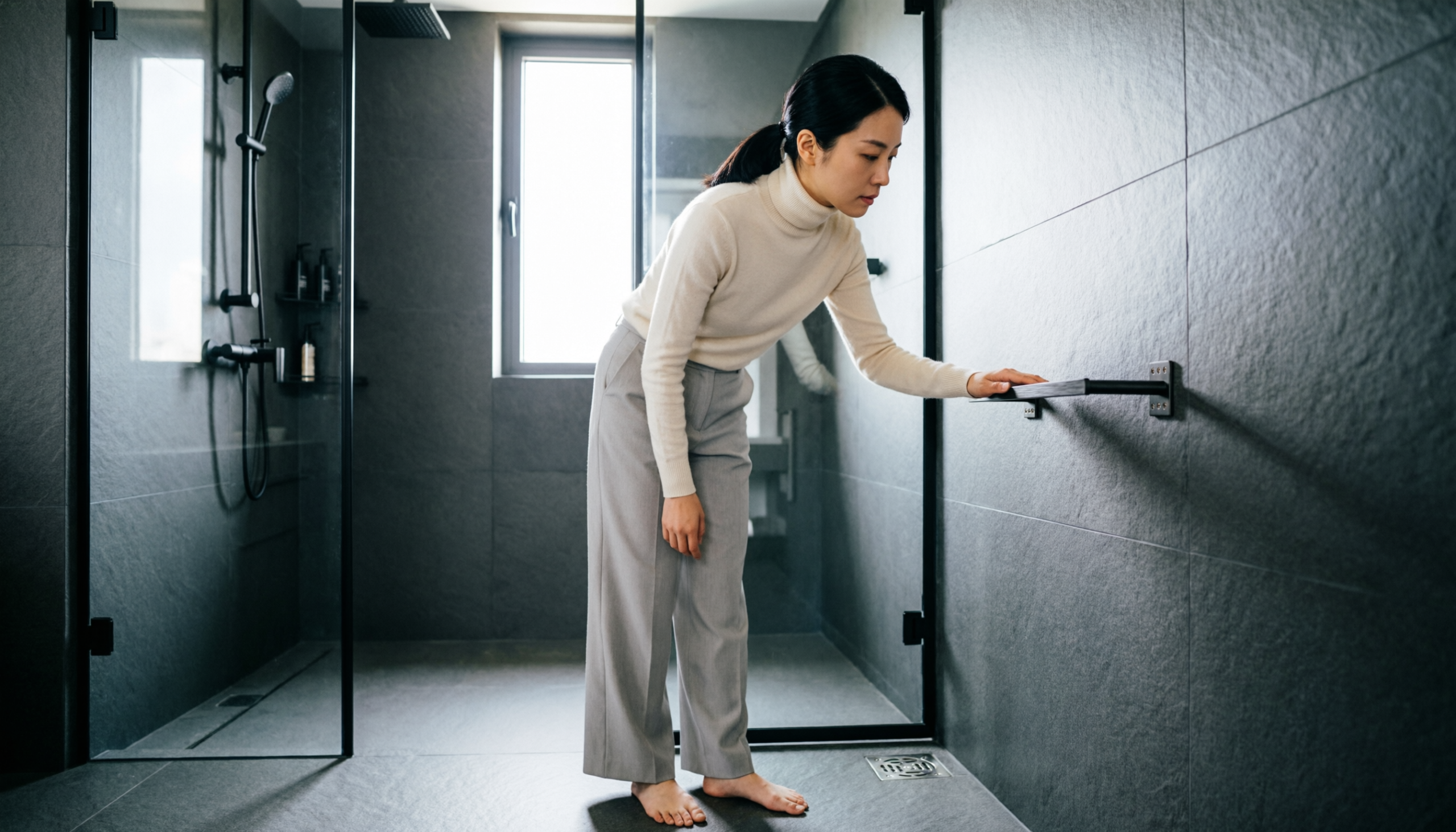
1. Check alignment. Look for uneven mounting plates, tilted towel bars, widening gaps, or visible movement between the fixture and wall.
2. Check loading. Identify the fixture’s purpose and expected forces. Decorative hooks and towel rails differ substantially from supports designed to carry body weight. Never test a grab bar by hanging from it or applying body weight to a questionable installation.
3. Check operating force. Observe whether a hinged bathroom fixture, cabinet handle, or toilet paper holder binds, shifts, or requires unusual force during normal use.
4. Check wear. Inspect for rust, cracked finishes, damaged screw heads, split grout, deteriorating sealant, and discoloured areas that may indicate water intrusion.
5. Check installation. Review accessible mounting screws and manufacturer instructions. Look for missing fasteners, unsuitable anchors, or evidence of movement. Avoid drilling into concealed plumbing or electrical routes.
Safety note: Stop using a loose grab bar immediately. Arrange a qualified inspection before further use. Visible wall movement, cracked tiles around fixings, or signs of water damage warrant prompt investigation.
The Homewardz Test
Inspect three bathroom fixtures: a towel bar, robe hook, and cabinet handle. Record visible gaps, corrosion, alignment, and movement during ordinary use. Check manufacturer mounting instructions and substrate type where documented.
Photograph existing defects, then compare results after approved maintenance. Never apply body weight to questionable supports or loosen safety-critical fixings.
What Makes the Problem Worse?
Repeatedly tightening loose screws without checking the substrate often enlarges mounting holes. Using unsuitable anchors, drilling through tiles carelessly, or applying excessive force can crack finishes.
Harsh cleaners accelerate corrosion, while neglected leaks weaken backing materials. Sealing over active moisture traps damage. Avoid improvised repairs on grab bars and other safety-critical fixtures.
How to Fix It
A lasting repair addresses the cause instead of hiding the symptom.
Step 1: Make an immediate correction
Stop using loose or unstable hardware until the mounting condition receives proper assessment. Remove ordinary decorative fixtures only when removal can occur safely without damaging concealed services or surrounding finishes.
Clean compatible surfaces with manufacturer-approved products. Replace damaged screws or seals only after confirming the correct specifications and checking the mounting substrate.
For grab bars, obtain professional assessment before returning the fixture to service.
Step 2: Improve the mounting system
Match the fastening method to the wall construction.
- Solid masonry: Use compatible masonry fasteners and anchors rated for the application.
- Timber framing: Secure suitable fixtures into verified structural backing using specified fasteners.
- Hollow walls: Use an approved mounting system with adequate capacity for the intended load. Safety-critical fixtures may require reinforcement behind the wall.
- Tiled surfaces: Use suitable drilling methods and protect the tile from cracking. Tile alone should not serve as structural support.
Follow the manufacturer’s spacing, fastening, sealing, and installation requirements. Structural modifications may require a qualified installer.
Step 3: Prevent long-term failure
Address ventilation problems, persistent leaks, and condensation before installing replacement hardware. Choose corrosion-resistant materials suited to the bathroom environment. Inspect mounting plates and seals periodically, and correct early signs of movement before damage spreads.
When a Product Solution Makes Sense
Replacement hardware becomes useful when corrosion, damaged mounting components, unsuitable materials, or inadequate fixture design prevents a dependable repair. However, replacing a towel bar without correcting a weak wall connection simply repeats the original failure.
Choose hardware according to function, material quality, mounting compatibility, and documented load requirements. For safety supports, verify compliance with relevant accessibility and building standards and follow the manufacturer’s installation specifications.
A related article, Best Bathroom Grab Bars: Mounting Strength, Materials, and Safety Considerations, can support a more detailed product comparison when selecting a replacement. Prioritize verified installation requirements over appearance or advertised load claims alone.
Preventing the Problem from Returning
A simple maintenance routine helps catch structural problems early.
- Monthly: Inspect frequently used fixtures for movement, corrosion, loose trim, and damaged sealant.
- Every three to six months: Review exposed mounting points, clean hardware using compatible products, and check for recurring moisture.
- After plumbing repairs: Examine nearby walls, fasteners, and seals for water damage.
- During renovations: Plan backing, fixture positions, and concealed services before closing walls or installing tiles.
Select suitable materials, maintain effective ventilation, and repair leaks promptly. Avoid hanging excessive loads from decorative hardware. Treat new movement, recurring looseness, cracked grout, or staining near mounting points as early warning signs.
The Checklist
| Problem | Likely cause | Test | Correction | Prevention |
|---|---|---|---|---|
| Loose towel bar | Weak anchors or enlarged holes | Inspect plate movement and substrate | Install a compatible mounting system | Check fixings periodically |
| Corroded hardware | Moisture or incompatible finish | Examine joints and surface damage | Replace unsuitable components and correct moisture sources | Improve ventilation and use compatible cleaners |
| Unstable grab bar | Inadequate structural support | Arrange qualified mounting inspection | Reinforce or remount to approved specifications | Verify backing before installation |
FAQs
1. Can bathroom hardware be installed directly onto tiles?
Hardware can pass through tiled finishes, but the fastening system must anchor into a suitable substrate or approved mounting system.
Tile provides a finished surface rather than dependable structural support for every application. Correct drilling and sealing also help prevent cracks and moisture intrusion.
2. Which bathroom hardware materials resist corrosion best?
Suitable stainless steel and solid brass often provide good corrosion resistance, depending on alloy quality, finish, and exposure.
Coated metals can also perform well when protective finishes remain intact. Consider cleaning products, water exposure, and manufacturer maintenance instructions before choosing materials.
3. How often should bathroom hardware be checked?
Inspect frequently used fixtures monthly and review exposed fasteners, seals, and moisture-prone areas every three to six months.
Increase inspection frequency after leaks, renovations, or signs of corrosion. Loose grab bars and other safety-critical fixtures require immediate assessment rather than routine monitoring.
To Wrap It Up
Bathroom hardware performs reliably when structural support, suitable fasteners, corrosion resistance, and installation quality work together. Diagnose movement before replacing fixtures, correct moisture problems early, and match mounting systems to intended loads.
Regular inspections help prevent recurring damage, while qualified installation protects safety-critical supports and preserves dependable bathroom function.