Smart Controllers vs Full Garage-Opener Replacement
A smart controller suits a reliable, compatible garage opener, while full replacement suits aging, noisy, unreliable, or unsafe hardware. The decisive factor is the existing opener’s condition.
Smart Controllers vs Full Garage-Opener Replacement
| Comparison | Smart Controller | Full Opener Replacement |
|---|---|---|
| Primary strength | Adds connected access to existing hardware | Replaces outdated hardware and adds modern capabilities |
| Performance | Depends on the existing motor and mechanics | Depends on the new motor, drive system, and installation |
| Maintenance | Maintains the original opener’s service requirements | Starts with new opener hardware and its own maintenance needs |
| Durability | Controller longevity depends on electronics and compatibility | Overall service life depends on the new system and installation quality |
| Price | Amazon | Amazon |
A smart controller is an add-on rather than a new motor. A replacement opener provides a more comprehensive hardware upgrade, making the two options suitable for different problems.
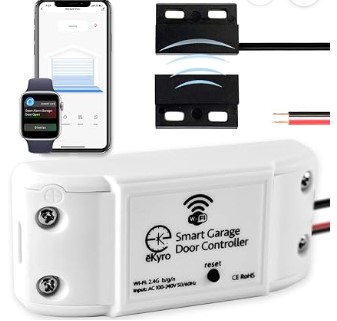
Smart Controller: eKyro Smart Garage Door Opener
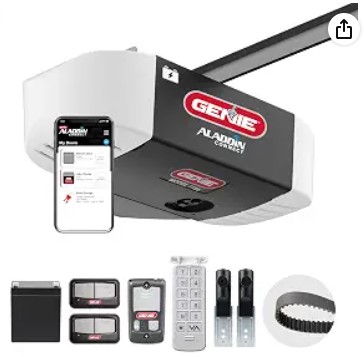
Full Garage-Opener Replacement: Genie StealthDrive Connect 7155-TKV
The Fundamental Difference
The fundamental difference lies in system architecture.
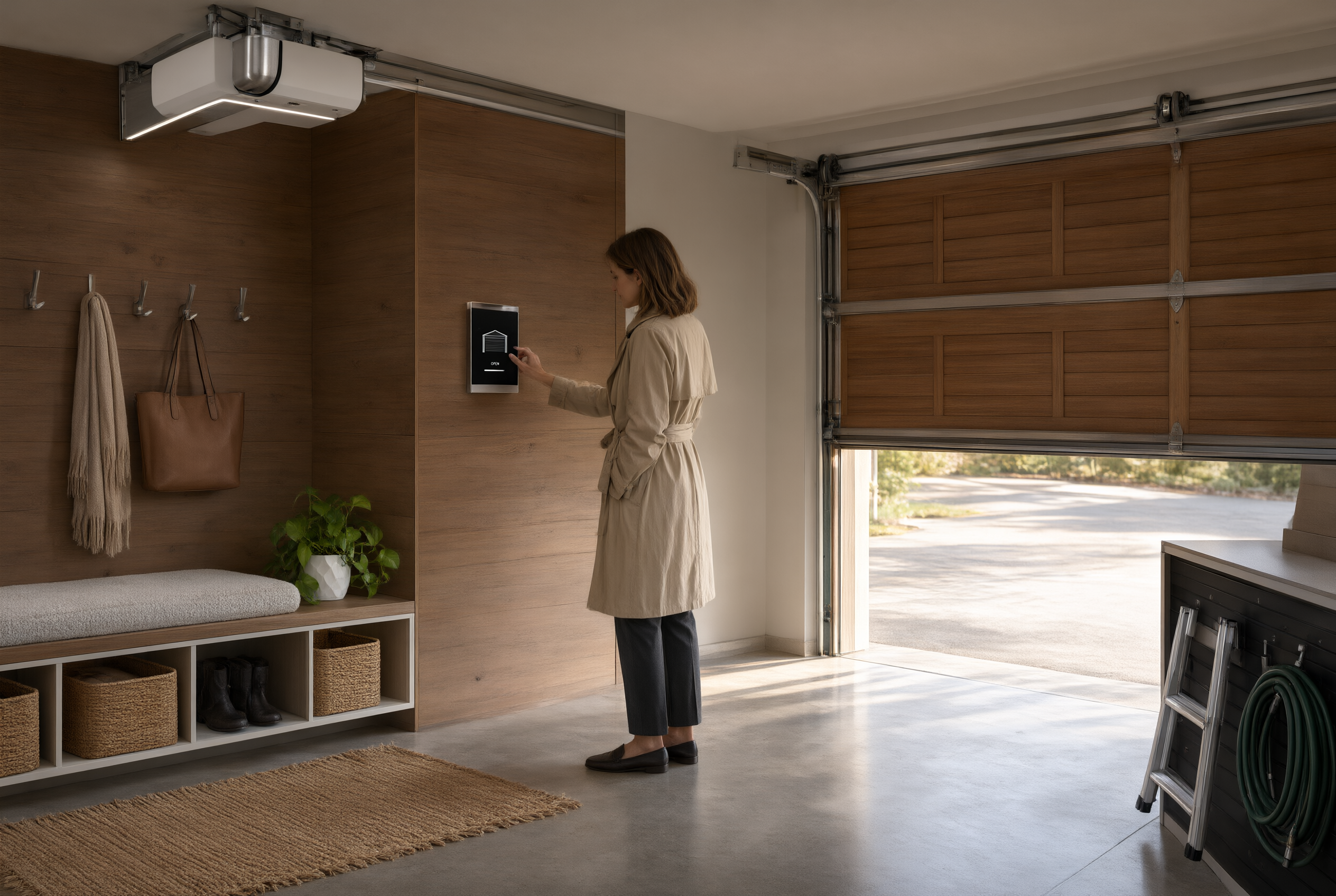
A smart garage controller adds a connected control layer to an existing opener. The original motor, drive mechanism, lifting capacity, and much of the safety hardware remain in service.
Depending on the model, the controller communicates with the opener through a compatible connection, learns the remote-control signal, or uses a wired interface. A door-position sensor may report whether the door is open or closed.
A full garage-opener replacement replaces the primary operating equipment. The new system includes a motor, drive mechanism, control electronics, and associated safety components. Smart functionality may be built in, available through an accessory, or absent from the selected model.
The distinction matters because software cannot repair worn gears, a failing motor, damaged wiring, or a poorly balanced garage door. Equally, replacing a perfectly functional opener solely to gain smartphone access may add unnecessary expense.
Testing Conditions
A credible comparison should assess both options under the same garage conditions, with the same door, similar operating cycles, and consistent measurement methods.
Relevant observations include opening and closing time, operating noise, command response, status accuracy, connection stability, and maintenance requirements. Installation time and total ownership cost also deserve separate measurement.
The comparison below uses functional differences and established ownership considerations rather than claiming laboratory results. No controlled physical test, timed trial, or independent noise measurement was performed for this article.
Actual results depend on opener compatibility, door weight, drive design, Wi-Fi coverage, installation quality, and the condition of the garage door.
Performance Test
Performance
- Smart controller: Preserves the original opener’s lifting performance. A modern app cannot compensate for a weak motor or worn drive system.
- Full replacement: Can improve operation when the old motor or drive mechanism causes poor performance, provided the new opener suits the door.
Speed
- Smart controller: Adds communication time to remote commands, depending on the network and service.
- Full replacement: May provide faster operation, but motor speed and door mechanics determine actual travel time.
Noise
- Smart controller: Does not reduce mechanical noise from the existing motor, chain, rollers, or rails.
- Full replacement: A belt-drive model may reduce operating noise compared with an older chain-drive system.
Reliability
- Smart controller: Depends on the original opener, internet connection where required, controller electronics, and compatible safety functions.
- Full replacement: Removes aging opener components but still depends on correct installation, door balance, sensors, and electrical supply.
Maintenance
- Smart controller: Requires attention to the controller and original opener.
- Full replacement: Requires routine inspection of the new opener, door hardware, sensors, and drive mechanism.
Installation
- Smart controller: Usually involves less work when the existing opener has a compatible connection and suitable sensor placement.
- Full replacement: Requires removal of the old opener, installation of new hardware, adjustment, and safety testing.
Where a Smart Controller Wins
A smart controller offers the strongest value when the existing opener works properly and lacks only connected features.
The main advantages include:
- Lower initial expense: A controller generally costs less than a complete opener system.
- Less installation work: Compatible models often require limited wiring and a door-position sensor rather than motor replacement.
- Remote access: Smartphone control can help manage deliveries, household access, and forgotten closing routines.
- Status notifications: Compatible systems can report door position and send alerts when the door remains open.
- Reduced disruption: Retaining the existing opener avoids unnecessary removal and replacement of functional hardware.
Compatibility remains the deciding constraint. Older openers may use incompatible controls, unusual wiring, or proprietary communication systems. Some controllers also depend on a reliable internet connection for remote access.
A controller makes little financial sense when the original motor regularly fails, safety systems malfunction, or replacement parts are difficult to obtain.
Where Full Garage-Opener Replacement Wins
A full replacement becomes more compelling when the existing opener shows mechanical wear or lacks essential safety capabilities.
The main advantages include:
- Fresh operating hardware: A new motor and drive system can address problems that an electronic add-on cannot fix.
- Potentially quieter operation: A suitable belt-drive opener may reduce noise compared with an older chain-drive unit.
- Updated safety equipment: A properly selected and installed replacement can provide modern entrapment protection and compatible safety sensors.
- Integrated smart features: Certain models include smartphone access, activity notifications, and smart-home integration.
- Better long-term support: A currently supported opener may offer easier access to replacement parts and compatible accessories.
Replacement costs more and requires additional installation work. A new opener also cannot correct a damaged track, broken spring, badly balanced door, or other structural problem without separate repairs.
Safety note: A garage door with malfunctioning safety reversal, damaged lifting hardware, or uncontrolled movement needs prompt professional attention. Smart connectivity does not make unsafe equipment safe. Springs and cables require qualified handling.
The Hidden Cost
The purchase price tells only part of the ownership story. Installation, compatibility accessories, ongoing maintenance, and future replacement can change the overall value.
| Cost factor | Smart Controller | Full Replacement |
|---|---|---|
| Accessories | May need a sensor, bridge, or adapter | May need remotes, keypad, backup battery, or smart accessories |
| Consumables | Usually minimal, depending on design | Depends on batteries and model-specific components |
| Installation | Often simpler | Usually more involved |
| Maintenance | Existing opener maintenance continues | New opener maintenance begins |
| Replacement | Controller may eventually need replacement | Motor and control system eventually need replacement |
| Energy | Adds a small electronic load | Depends on standby consumption and operating efficiency |
| Time | Generally less installation disruption | More removal, setup, and testing time |
Which Option Fits Your Home?
The right purchase depends on the condition of the existing opener, the desired features, and the remaining useful life of the hardware.

Choose a Smart Controller When:
- The existing opener operates smoothly and reliably.
- The opener supports the controller’s communication and wiring requirements.
- Smartphone access, remote monitoring, and door alerts are the main priorities.
- The current motor and safety equipment remain in good condition.

Choose Full Replacement When:
- The existing motor struggles, fails intermittently, or requires frequent repairs.
- Excessive operating noise points to an aging drive system.
- The opener lacks necessary safety features or compatible replacement parts.
- A quieter drive, updated controls, and longer-term hardware support justify the added expense.
One important qualification applies to both options: inspect the garage door itself before purchasing either product. A poorly balanced door, damaged rollers, or worn springs can undermine the performance of even a new opener.
1-Year Ownership Comparison
The following comparison uses relative cost categories rather than invented monetary totals. Actual prices vary by brand, region, compatibility, installation rates, and accessory requirements.
| Cost | Smart Controller | Full Replacement |
|---|---|---|
| Purchase | Low to moderate | Moderate to high |
| Consumables | Usually low | Usually low |
| Maintenance | Existing opener maintenance continues | Routine maintenance for new hardware |
| Accessories | Adapter or sensor may be required | Remotes, keypad, or backup battery may be optional |
| Energy | Small additional electronic load | Depends on motor and standby consumption |
| Estimated first-year total | Usually lower when the opener remains reliable | Usually higher because of equipment and installation |
For a useful budget, obtain a controller price and a complete replacement quote that includes labor, required accessories, taxes, and removal of the old equipment. Add any expected repair costs for the existing opener to the controller scenario.
A one-year comparison can favor the controller even when replacement offers better long-term value. For aging hardware, a three-to-five-year cost comparison provides a more useful decision.
Final Verdict
For households prioritizing affordable smartphone access, a compatible smart controller makes sense when the existing opener remains reliable. For households facing mechanical wear, excessive noise, or outdated safety equipment, full replacement offers a stronger long-term solution. Hardware condition should determine the purchase, not connectivity alone.
FAQs
1. Can a smart controller work with an old garage-door opener?
Yes, provided the opener supports the controller’s required communication method and wiring. Some older openers use incompatible control systems. Check the opener’s model number, compatibility list, and sensor requirements before purchasing.
2. Is replacing a garage-door opener better than adding a smart controller?
Replacement is better when the existing motor, drive mechanism, or safety equipment needs attention. A smart controller is usually the more economical option when the opener works reliably and only lacks remote access or notifications.
3. Does a smart garage controller make an old opener safer?
Not automatically. A controller may provide door-position alerts and remote monitoring, but those features do not repair faulty sensors, improve mechanical lifting capacity, or replace required entrapment protection. Safety problems require proper inspection and repair.
To Wrap It Up
Smart controllers deliver affordable connectivity to compatible, reliable openers, while full replacement addresses aging hardware and outdated safety capabilities. Assess mechanical condition, compatibility, installation costs, and future repairs before choosing the option that best serves the household.